Today, as I browsed through different blogs on different subjects, I found myself reflecting on my own experiences. Reading someone else’s story has a way of unlocking memories of my own. Some make me smile. Some make me laugh. Others quietly remind me of moments I thought had long since been tucked away.
I could be sitting around the kitchen table or standing out on the backyard deck, just talking with family or friends. Somewhere in the conversation, I’d start sharing one of my own experiences. Not to argue. Not to prove a point. Just to tell a story the way I remembered living it and describe what I was feeling in that moment.
“Oh, that’s not how it happened. Here’s why…”
Really?
Every time I heard those words, it felt like the conversation ended before it even had a chance to begin. It didn’t matter what I was trying to say or how I was feeling. Somewhere between my mouth or my hands, and your ears or your eyes, I disappeared. Whether I was speaking or signing didn’t seem to matter. Somehow, what I was trying to say was lost before it ever reached you. I wasn’t looking for an argument. I wasn’t trying to prove anyone wrong. I was simply trying to explain what something felt like from where I was standing.
Sometimes I wonder how different those conversations might have been if, instead of correcting me, someone had simply asked another question.
“What made you feel that way?”
“Can you tell me more?”
“Help me understand your side.”
I wasn’t asking anyone to rewrite history. I wasn’t asking everyone to agree with every memory I had. I simply wanted someone to hear me before deciding I was wrong. Whether my memories matched someone else’s wasn’t even the point. My emotions were real because I lived them, and I wanted someone to be curious enough to understand why I felt the way I did instead of immediately explaining why I shouldn’t.
As the years passed, people wondered why I became so angry, why I was sad, why I overthought everything, and why I bottled up my emotions until one little thing finally shook the cork loose.
“Shhhh! Amanda, you’re being loud.”
Yeah, no shit.
I was expressing myself. I don’t care if I’m loud. Let me express, y’all!
“Shhh!”
Fine. (Quiet.)
Little by little, I began to understand that expressing my emotions came with consequences. Whenever I cried, it was an overreaction or I was seeking attention. If I raised my voice, I was too loud. If I defended myself, I had an attitude. If I tried explaining how something affected me, I was told my version wasn’t true. After hearing those messages enough times, I stopped believing my emotions were safe to share.
Instead, I took every feeling, every hurt, every disappointment, and shoved it down as deep as I possibly could. In my mind, it was as if the bones in the center of my body became a storage place. Everything else became padding around them while I kept shoving one emotion after another into that space. Every emotion was pushed into them and packed down tighter and tighter, hoping nothing would leak back out. So I kept stuffing them in. More hurt. More sadness. More anger. More disappointment. I kept convincing myself there was always room for one more feeling, even when there wasn’t. Eventually, everything was overflowing, but I had already convinced myself my emotions weren’t worth listening to anyway.
So I stopped sharing them.
Instead, I shared what I had learned. I talked about articles I had read, conversations I had heard, and the common emotional threads I noticed in other people’s experiences. I could understand what someone else was feeling. I could recognize their hurt, their excitement, their grief, and their struggles. I just couldn’t bring myself to talk about my own anymore. Somewhere along the way, it became easier to carry everyone else’s emotions than to admit I was still carrying mine.
From the outside, I looked fine. Inside, I was carrying years of feelings that had nowhere safe to go.
Before long, I began second-guessing myself. I knew I wasn’t perfect. I knew I could mishear a word or miss a detail. But I also knew what I had seen, what I had experienced, and how it had made me feel. I became guarded because being open didn’t feel safe anymore. It became easier to stay quiet than to risk being dismissed all over again.
Then later came the question.
“Why do you bottle everything up until something finally pops that cork?”
And you wondered why.
Emotions don’t disappear because they’re ignored. They don’t simply vanish because someone tells you to calm down or get over it. They wait. They pile up. They settle quietly into places no one else can see until one small thing finally shakes them loose. Then everyone is surprised by the explosion without realizing they’re looking at years of emotions that were never given a safe place to exist.
I don’t tell you that you’re being too loud. I let you express yourself. I let you be angry, frustrated, excited, or heartbroken. I don’t assume I already know what you’re going to say before you’ve finished saying it. I try to listen first because I know what it feels like when no one does.
I only wish I had been given that same space.
As my teenage years rolled around, I became more rebellious and ignored a lot of things, but I’ve never done meth, cocaine, or LSD because I knew better. I never turned to cutting myself because I had been taught not to cope that way. There was even talk about sending me to boot camp to straighten out my attitude.
I was called spoiled.
Looking back now, I realize I spent years believing I was the problem.
That word never made sense to me because I never cared about expensive things or getting everything I wanted. Those weren’t the things I was chasing. I wasn’t hoping for more presents or more money. I wanted something that couldn’t be wrapped in a box.
I wanted someone to say, “Come on, let’s go,” and have it be just the two of us. Maybe we’d take a walk with no destination. Maybe we’d drive to the beach and spend the afternoon listening to the waves. Maybe we’d grab an ice cream cone and sit on a park bench talking about life until the sun started going down. The place never really mattered. The activity didn’t matter either. What mattered was knowing you wanted to spend that time with me. I wanted to feel like I mattered enough to have your undivided attention without competing with everyone else around me.
I wanted someone to ask another question instead of making another assumption. I wanted someone to comfort me when life hurt instead of explaining why I shouldn’t feel hurt. I wanted someone to support me instead of immediately correcting me. I wanted someone to see me, not just parent me. I wanted to feel chosen, not because everyone else was busy or because someone felt guilty, but because someone genuinely wanted to spend time with me.
Even now, I don’t expect people to tiptoe around me or tell me I’m right all the time. If I’m wrong, tell me. If my behavior hurts someone, call me out. If there’s something I’m not seeing, help me see it. Those conversations help me grow, and I value honesty far more than empty reassurance.
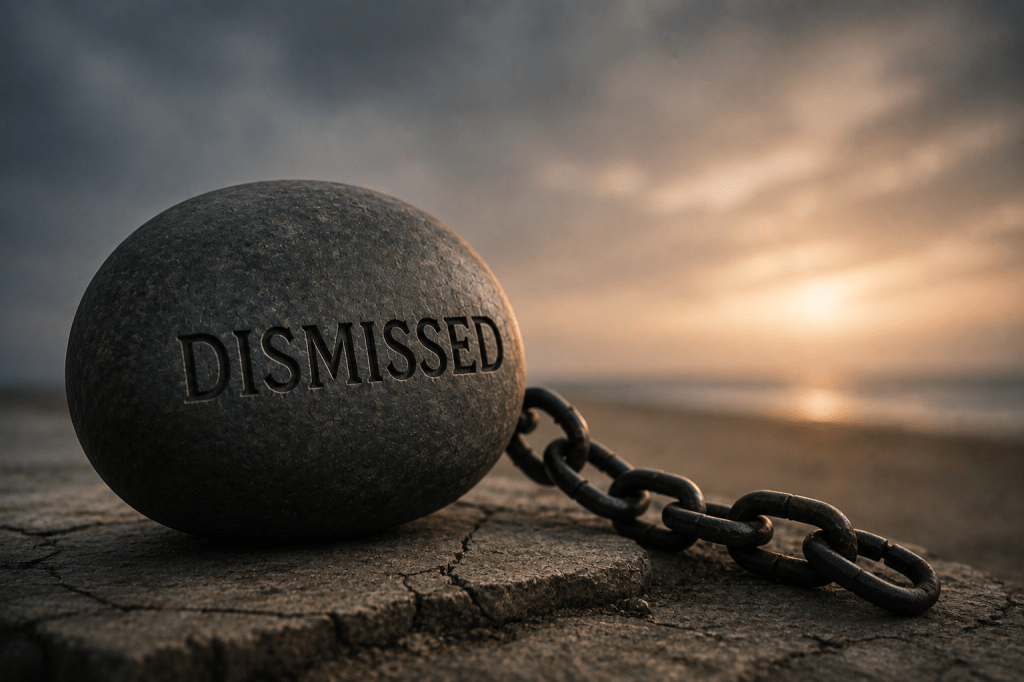
But there’s a difference between honesty and dismissal.
You can tell someone a difficult truth without making them feel like their emotions never mattered in the first place. You can challenge someone’s perspective while still letting them know their feelings matter. Feeling valued doesn’t require agreement. It requires being heard before being judged.
I wasn’t looking for perfection. I wasn’t asking for someone to solve every problem. Looking back now, I realize I wasn’t asking for extraordinary moments. I wasn’t asking for expensive gifts or a perfect life. I was asking for ordinary moments with people who wanted to know me. A walk. A conversation. A drive to the beach. An ice cream cone on a warm afternoon. Moments where I didn’t have to earn your attention because it was already freely given.
I just wanted you.



Leave a Reply